
Year-round film for older glass
Low-E Window Film in Charlotte
Charlotte buildings mostly fight heat, but a January cold front still turns single-pane glass into a cold wall. Low-E window film works in both seasons, trimming summer sun and keeping more indoor heat in when the temperature drops.
 Charlotte
How Low-E Window Film Works in a Charlotte Climate
Low-emissivity film carries a thin coating that reflects long-wave infrared, the heat that warm objects and people give off. In winter, that means more of the heat inside a room is reflected back instead of radiating out through the glass. Most low-E films also include a solar control layer, so they reject a share of the sun's heat in summer as well.
Charlotte's climate is cooling-dominated, so the summer side of a low-E film does most of the work over a year. The winter side adds comfort near the glass during cold snaps and the occasional ice storm, when people sitting next to a single-pane window feel the chill and turn up the heat. For buildings with old glass, low-E film covers both seasons with one product.
Low-E Film for Older Charlotte Offices and Institutional Buildings
The best candidates are buildings with single-pane or early insulated glass that has no factory low-E coating. That includes many low-rise offices from the 1970s and 1980s, older bank branches, school buildings, churches with large sanctuary windows and administrative buildings. Replacing that glass is expensive and disruptive. Film improves it in place.
In newer buildings with modern low-E insulated glass, adding another low-E film usually doesn't make sense. Those windows already reflect indoor heat. A solar control film aimed at summer heat is the better choice there. We identify the existing glass before recommending either.
Facility directors at schools and churches often face a choice between a multi-year window replacement budget and doing nothing. Film fills the gap: a measurable improvement this year, on the glass already in place, while the larger capital plan works its way through approvals.
- Single-pane offices and retail from earlier decades
- Schools and churches with large original windows
- Older bank branches and administrative buildings
- Any space where people sit right beside cold glass
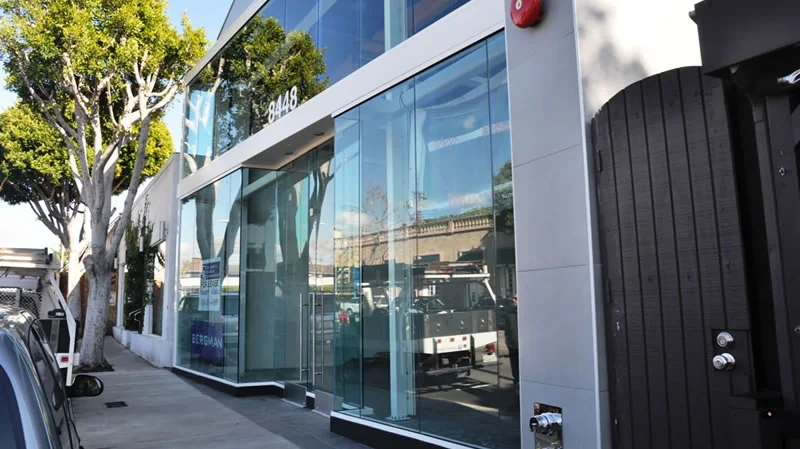
Comfort Near the Glass in Winter and Summer
Comfort is often the reason building managers call. A desk by a single-pane window is hot on summer afternoons and cold on winter mornings, and occupants feel both. Low-E film narrows that swing. In summer it rejects part of the solar heat. In winter it reduces the cold radiant effect of the glass, so people near the window feel less chill.
That comfort improvement can be as valuable as the energy effect. Fewer space heaters under desks, fewer thermostat complaints and fewer requests to move away from the window all make a difference in how a building is run.
Churches are a good example. A sanctuary with tall single-pane windows on the west side can be uncomfortable at an evening service in August and chilly at an early service in January. Low-E film helps at both ends without changing the look of the windows from the street, which matters to congregations that care about their building's appearance.
Low-E Film Compatibility and Installation
Low-E film absorbs some solar energy, so the same thermal stress checks apply as with any solar film. Single-pane glass is usually straightforward. Older insulated units need a closer look at age, seal condition and tint. We check compatibility against the film manufacturer's guidance before quoting.
Installation is from the inside and can be scheduled after hours, on weekends or during school breaks. Low-E films need gentle cleaning, without abrasive pads, to protect the coating. We leave care instructions for custodial and cleaning staff.
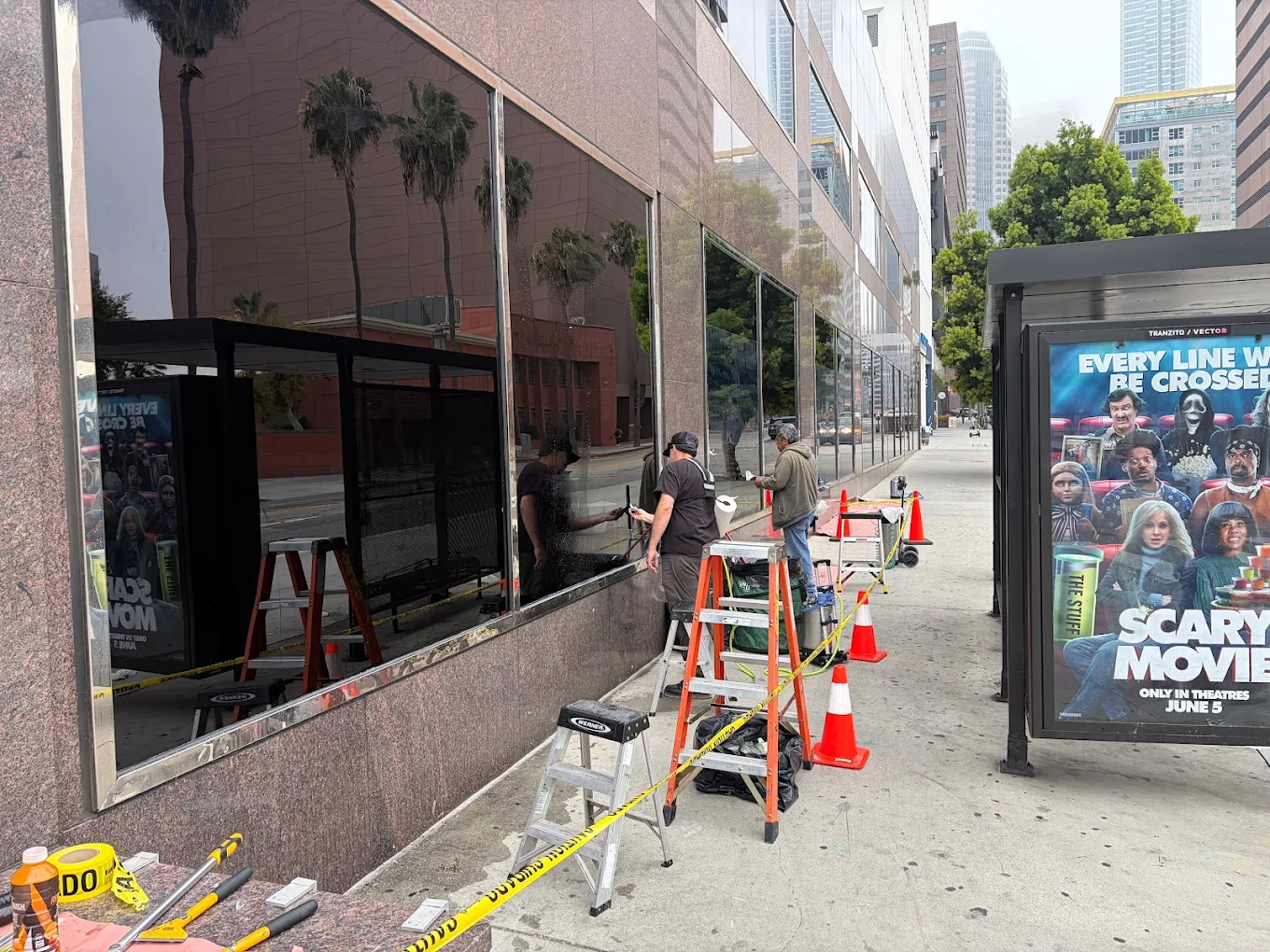
What Low-E Window Film Adds to Older Charlotte Buildings
Low-E Film With Summer Solar Rejection
Most low-E products carry a solar layer as well, so the same sheet that helps in January also turns back part of the July sun. In a city that cools far more than it heats, that summer half matters most.
Winter Heat Retention Through Old Glass
On a cold morning the coating sends radiant warmth from people, lights and equipment back toward the room. Old single-pane glass stops acting like a cold wall, and whoever sits beside it reaches for the space heater less often.
Low-E Upgrade Without Replacing Windows
Film adds low-E performance to existing glass from the inside. No glazing contractor, no facade work and no long disruption to the people using the building.
Fewer Comfort Complaints at the Window Line
Narrowing the hot-cold swing near the glass reduces space heaters, thermostat battles and requests to move desks, which makes the building easier to manage.
Low-E Window Film FAQs for Charlotte Facilities
Does low-E film pay its way in a Piedmont climate?
On older single-pane glass it usually does, because it works in both seasons: solar rejection from May to September and better comfort during winter cold fronts. On modern low-E windows, a solar control film is usually the better choice.
Does low-E film darken the windows?
Some low-E films are quite clear, others are tinted. We show options so you can balance light, heat rejection and appearance.
Can low-E film go on insulated glass?
Often, after a compatibility check. Older insulated units with failing seals or heavy tint may not be good candidates.
What should custodial crews use on low-E film?
Plain soapy water and a soft cloth or rubber squeegee. Abrasive pads, scrapers and ammonia sprays damage the coating, so we leave a care sheet for the cleaning contractor.
Window film quote
Low-E Window Film Pricing for Charlotte Facilities
Describe the building, roughly when the windows went in, and where occupants complain about heat or cold. A few photos and approximate glass sizes are enough for a first recommendation and price.
Prefer email? info@windowfilmcharlotte.pro