
Big-glass heat rejection, Piedmont
Solar Control Window Film in Charlotte
Large commercial glass is a heat collector from May to September in the Piedmont. Solar control film lowers the solar load on a building without recladding it, provided the product suits whatever glass the frames already hold.
 Charlotte
Solar Control Window Film for Charlotte Commercial Glass Types
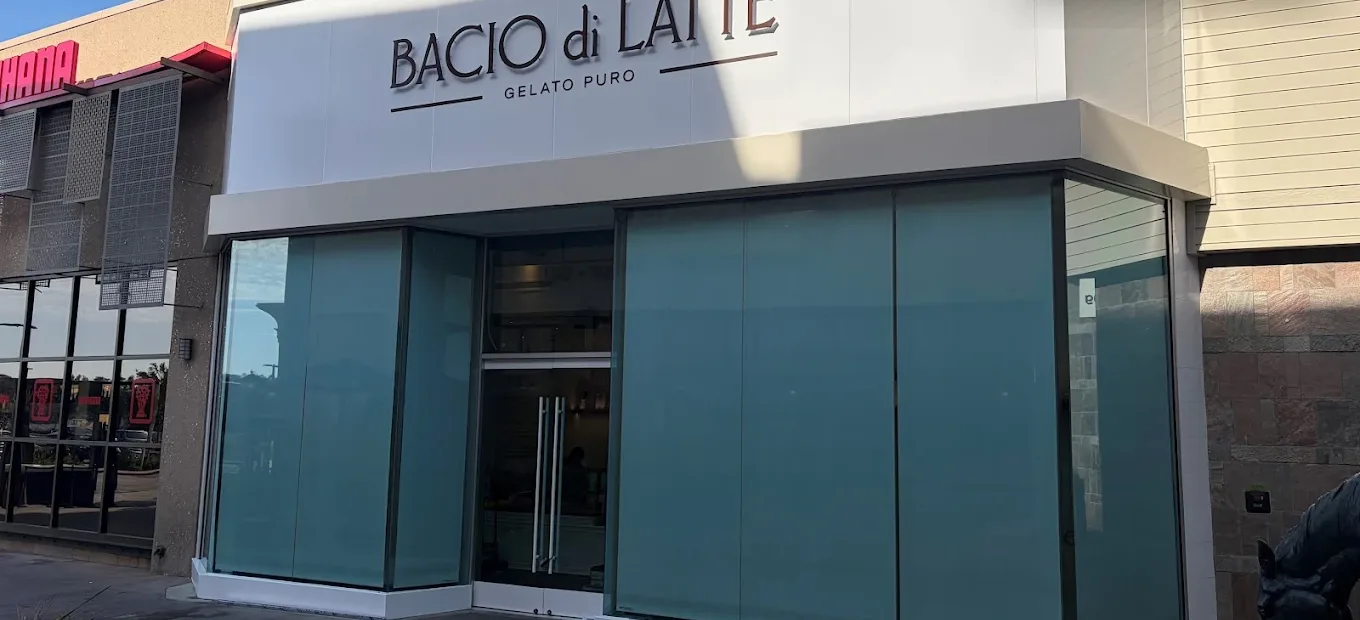
Charlotte's commercial glass falls into a few groups. Older low-rise offices and retail, many from the 1970s and 1980s along corridors like Independence Boulevard and around the Tyvola Road office parks, often have single-pane or early insulated bronze and gray glass. Uptown and SouthPark towers from the 1990s and 2000s tend to have reflective or tinted insulated units. Newer buildings in South End and Ballantyne mostly use clear low-E insulated glass.
Each group needs a different approach. Single-pane tinted glass usually takes a stronger film and benefits a lot. Reflective insulated units already reject a lot of solar energy, so additional film is chosen carefully. Clear low-E glass often responds well to a light selective film that targets the heat without changing the facade much.
Thermal Stress Checks Before Applying Solar Film
Any film that absorbs solar energy heats the glass. If the center of a pane gets much hotter than its edges, which stay cooler inside the frame, the glass can crack. The risk depends on the glass type, size, tint, the frame, shading patterns from nearby buildings and the film itself. Big tinted insulated units in full sun are the most sensitive.
Before we propose a commercial solar film, we identify the glass makeup and check the combination against the film manufacturer's published guidance, and where needed we request a formal thermal stress analysis. That's the step that separates a solar film project that performs for years from one that ends with a cracked pane and a warranty argument.
- Glass makeup and tint identification
- Frame type and edge condition review
- Shading patterns from nearby buildings and overhangs
- Manufacturer guidance or formal stress analysis
Interior Versus Exterior Solar Control Film
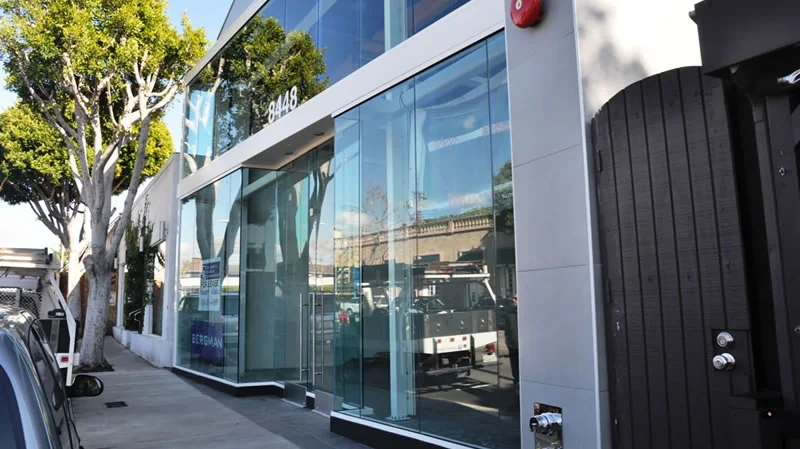
Interior film is the norm. Crews work from inside, the film never sees a rainstorm, and it ages slowly. Exterior film is used when interior access is impractical, when the glass makeup makes interior film risky, or when the goal is to reject heat before it reaches the glass at all. Exterior film faces sun, rain, pollen and window washing, so its service life is shorter.
On mid-rise and high-rise buildings, exterior work means lifts, swing stages or rope access, which adds cost and scheduling. For most Charlotte buildings, interior film is the practical choice, and we only recommend exterior application when there's a clear reason.
Solar Film for Charlotte Schools, Hotels and Warehouse Offices
Solar control film isn't only for office towers. Schools with big classroom windows facing west fight afternoon heat during the first weeks of the school year, when Charlotte is still in full summer. Hotels in Uptown and near the airport use film to keep west-facing rooms comfortable and to cut glare in lobbies and restaurants. Distribution centers along I-85 and I-77 usually put a strip of offices behind glass at the front of the building, and the dispatchers and managers sitting there feel the sun off the truck court every afternoon.
Churches, gyms, car dealerships and medical office buildings round out the list. The glass, the use of the space and the hours of occupancy all shape the film choice. A dealership showroom needs clear visibility for the cars. A gym needs heat control without killing the view. A clinic waiting room needs glare control and some privacy.
Solar Control Window Film Gains for Charlotte Building Owners
Lower Solar Heat Gain Through Commercial Glass
Solar film reduces the sun's energy that enters through big panes, so perimeter spaces stay closer to setpoint and HVAC equipment carries less peak load during long Charlotte summers.
Glare Reduction for Occupants
Lower visible light at the glass helps classrooms, offices, lobbies and showrooms stay usable without blinds drawn all day. Screens remain readable and daylight still reaches the space.
Solar Film Without Recladding the Building
Film upgrades existing glass from inside the building. No scaffolding on the street, no glass removal and no long shutdowns, which keeps the project budget and timeline manageable.
UV Filtering for Commercial Interiors
Solar control films screen out almost all ultraviolet, slowing fading of flooring, furnishings, merchandise and finishes in sunny areas of the building.
Solar Control Window Film Questions for Charlotte Properties
Can solar film crack our existing commercial glass?
It can if the film and glass are a poor match. We identify the glass, check the manufacturer's guidance and request a thermal stress analysis when needed. Following that process keeps the risk low.
Inside or outside: where does solar film go?
Inside in most cases, since that film is easier to install and outlives exterior sheets. Exterior application earns its extra cost only with certain glass makeups or when interior access is blocked.
Will the facade look different from Tryon Street or the parking lot?
With a spectrally selective grade, hardly at all. Reflective grades read as shinier glass. We match whatever the building standard or the owner's taste calls for.
Can you provide data for an energy model?
Yes. Published solar heat gain, shading coefficient and visible light values for the proposed film go to whoever runs your energy model, whether that is an in-house engineer or an outside consultant.
What service life should we budget for?
Plan on well over a decade for interior commercial film, with the manufacturer's warranty spelling out coverage. Exterior sheets need replacing sooner.
Solar Control Window Film Service Areas in Charlotte
Window film quote
Request a Solar Control Film Assessment in Charlotte
Tell us the building type, the elevations that overheat, and whether you know the glass makeup. Drawings or glass specs help. We return a film recommendation, stress review and pricing.
Prefer email? info@windowfilmcharlotte.pro